The 2026 energy crisis - prompted by the war in Iran - is nowhere near as acute as the 2022 energy crisis, but it remains painful nonetheless. Despite repeated hopes that the conflict will die down and supply through the Strait of Hormuz will resume, this has not happened yet. As a result, oil and gas prices remain significantly higher than before the crisis began, and show few signs of falling. These price rises will grow more painful as we head into winter, when households use more electricity and especially more gas. That is bad news for already squeezed household budgets, and bad news for the economy - not least since the UK is now a major net importer of oil and gas.
How will this crisis play out in Wales, and how can Wales respond? On one level, the impacts in Wales will be very similar to on the rest of Britain. Because Wales is fully integrated into the GB energy market, household prices are largely fixed by the UK government - and in turn by international fossil fuel markets. There is little the Welsh government can do to directly control energy prices.
But there are plenty of things Wales can do to respond to the energy crisis, both to limit the pain and make the most of opportunities it creates. The good news is that the most useful levers for tackling the crisis are largely in the hands of the Welsh government. With the right action, there is still time to reduce Wales’ exposure to the energy crisis this winter, and to permanently insulate the Welsh economy from volatile fossil fuel markets. So what should the Welsh government do?
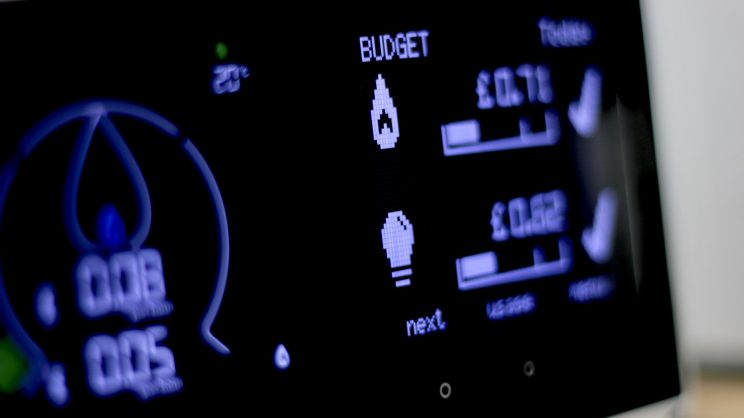
First, prioritise low-cost energy efficiency measures in homes and businesses before the coming winter. The best way to respond to an oil and gas crisis is to use it more efficiently, so you use less to get the same heat and mileage. There are many short–term actions - like turning down boiler flow temperatures, draft proofing and pumping up tyres - that people can take to save a little energy. The Welsh government should promote these actions as much as it can, both nationally and through local organisation. While these measures may seem small individually in the face of a global crisis, saving five or ten per cent of Wales energy use could make a big difference to people’s bills and the economy this winter.
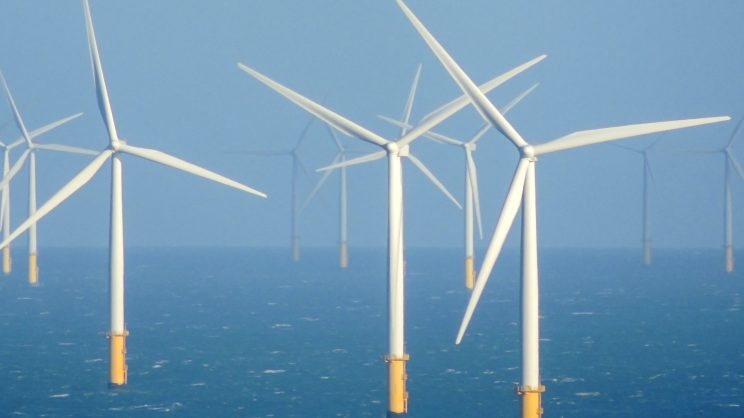
Second, lean in to flexible electricity use. While oil and gas prices remain the primary driver of higher bills, electricity prices have risen much more modestly since the Iran war began, with the growing supply of clean electricity taking the edge of bill rises. Households and businesses can take this further if they’re able to use their electricity more smartly; by moving demand away from the evening peak and toward periods of high solar or wind output, consumers and businesses can often access cheaper electricity via time-of-use tariffs. Helping more people - especially small businesses - use their electricity better could help a little this winter, and also lay the path for much cheaper bills in the long term.
Third, use this crisis to accelerate the electrification of heat and transport. The only reliable way to beat an energy crisis is to stop using oil and gas, and Wales now has all the tools it needs to do that, in the form of heat pumps and electric vehicles. The energy crisis will temporarily help to make clean technologies more financially attractive relative to boilers and petrol cars, and the Welsh government should do everything it can to promote uptake of clean home technologies. This is particularly urgent for the 7% of Welsh homes (approximately 110,000) that still rely on heating oil, mostly in rural areas. Switching from an oil boiler to a heat pump could halve heating bills. To support this, the Boiler Upgrade Scheme provides a £9,000 grant for Welsh homes until April 2027, making the transition more affordable than ever.
Fourth, begin to make area-based plans for a fully fossil fuel free energy system. To make a permanent transition away from volatile fossil fuels, Wales will need to plan its future energy and heating system on a granular, place-by-place basis. Wales is already ahead of the curve, with Local Area Energy Plans (LAEPs) established across every region. The next critical step is to move from high-level strategy to granular, area-based execution. Nesta is working with Vale of Glamorgan and the Cardiff Capital Region to pilot heat planning tools that identify specific local opportunities for decarbonisation. By understanding the unique fabric of our communities, the Welsh Government and local authorities can direct investment more effectively, ensuring that the transition to clean heat is both rapid and fair.
The 2026 energy crisis will not go away in a hurry, and it is a stark reminder that the old fossil fuel system is no longer fit for purpose. While we cannot change global markets, we can take control of how we use energy at home. By focusing on efficiency, flexibility, and accelerated electrification, Wales can protect its citizens from future shocks and lead the way toward a cleaner, more stable energy future.