Wars may seem distant, but the conflict in Southwest Asia and North Africa (SWANA)[1], particularly the United States and Israel war on Iran, shows how quickly global crises reach Cymru. Disrupted shipping routes, volatile energy markets and strained supply chains are already driving higher household bills, food prices, business costs and pressure on public services.
But this is about more than inflation.
A crisis that hits the poorest hardest
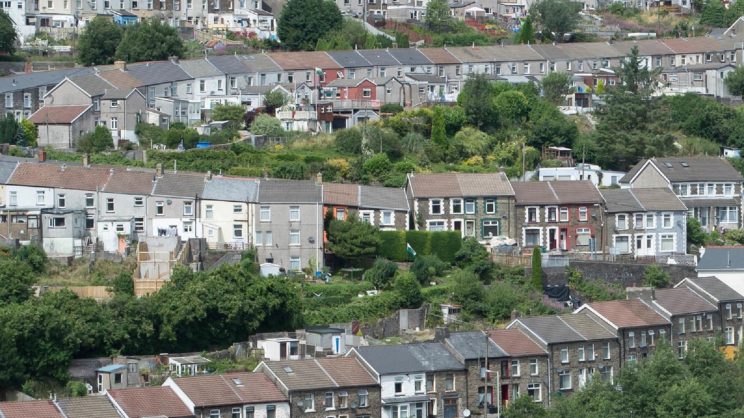
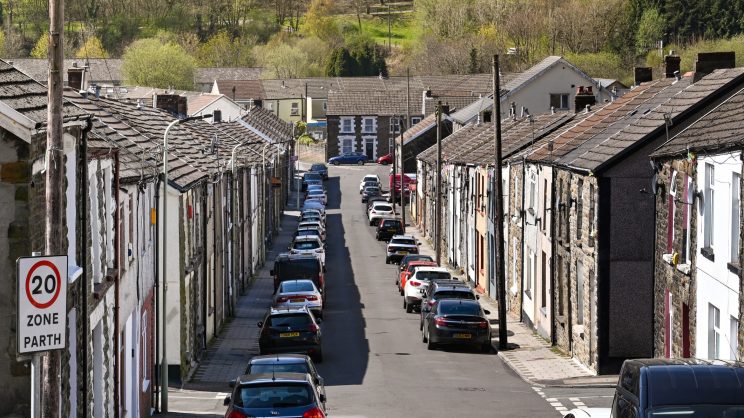
Cymru entered this period of uncertainty already facing high levels of poverty and inequality. Around one in five people (22%) live in poverty, and nearly half of those are experiencing deep poverty, struggling to afford essentials such as food and heating.
For low-income households, rising food and energy prices are not an inconvenience but a crisis. Because essentials consume a larger share of their income, they have little capacity to absorb further shocks. The result is deeper poverty, growing reliance on food banks and crisis support, and rising demand on already stretched public services.
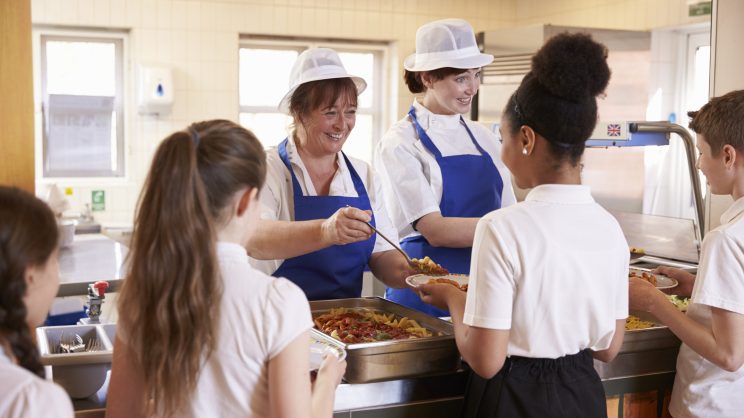
The consequences are particularly serious for children. Cymru has one of the highest child poverty rates in the UK, with 31% of children living in poverty and almost half of under-fives at risk. Rising living costs threaten to undermine efforts to reduce child poverty while increasing the cost of delivering childcare and family support.
If the conflict continues, today's inflationary shock could become tomorrow's inequality crisis. Rising costs fall heaviest on those already struggling, while wealthier households are better able to absorb the impact. The result is predictable: poverty deepens, inequality widens, pressure on public services grows, and economic insecurity creates fertile ground for divisive narratives that scapegoat migrants, refugees and other vulnerable groups. What begins as a war thousands of miles away can ultimately weaken social cohesion here in Cymru.
Global crises expose a failed model
The war in Iran is exposing something bigger than a cost-of-living crisis. It is exposing the fragility of the economic model on which Cymru, like much of the UK, continues to depend.
For decades, economic policy has relied on cheap energy, global supply chains and ever-greater efficiency. From COVID-19 to the energy crisis following Russia's invasion of Ukraine, and now the war in Iran, each shock has exposed the same vulnerability: Cymru remains heavily dependent on forces beyond its control.
The real challenge is not to manage the latest crisis and restoring the status quo, but building an economy that can withstand future shocks while improving people's lives.
A narrow focus on GDP growth has prioritised economic output and market expansion in certain sectors over resilience, and leaving communities more vulnerable in times of crisis. What Cymru needs instead is a green and caring, wellbeing economy that values resilience, prosperity and care for people and the planet.
Building resilience through a just transition
If the war in Iran teaches us anything, it is that resilience is not an environmental luxury; it is an economic necessity.
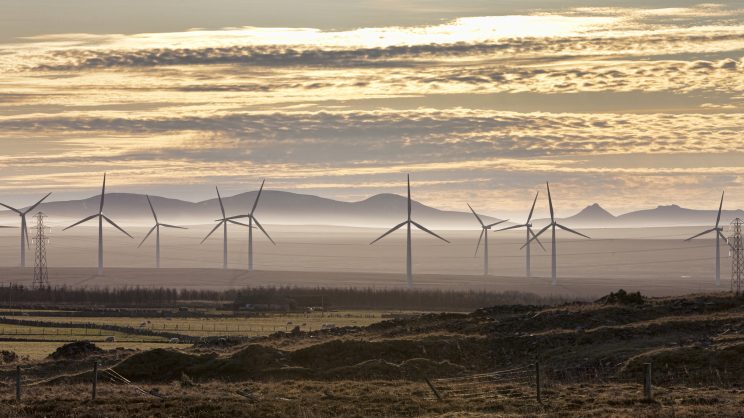
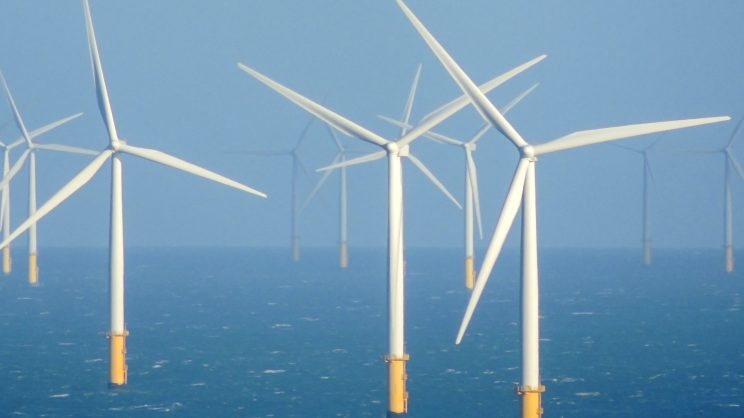
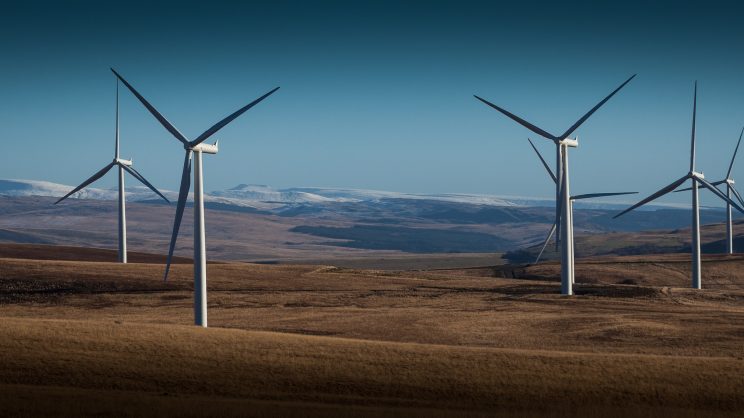
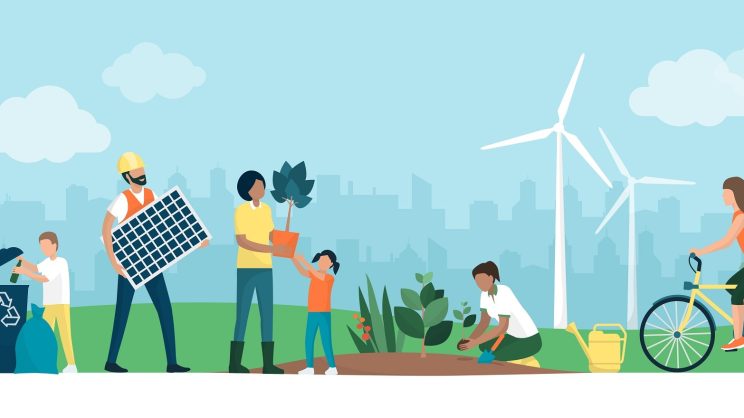
First, Cymru should accelerate a just transition to renewable energy. Investing in renewable generation, community energy and home efficiency strengthens energy security and reduces exposure to volatile international markets. Cymru should also invest in the skills, manufacturing capacity and supply chains needed to ensure the jobs and wealth generated by the transition remain in Welsh communities.
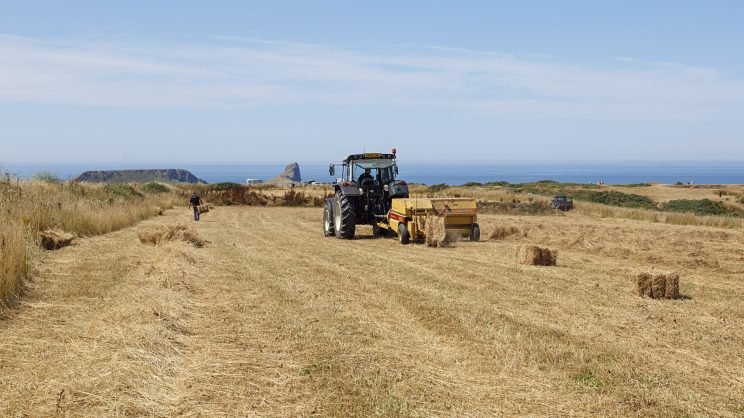
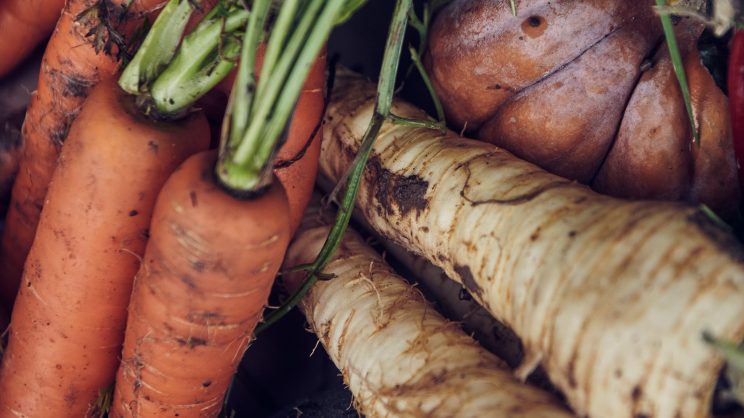
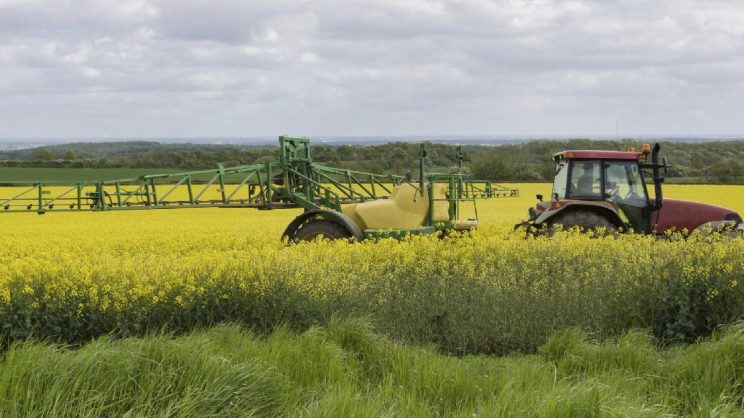
Second, Cymru needs stronger and more localised food systems. Supporting local food production, sustainable farming and regional procurement can improve food security, reduce supply chain vulnerabilities and strengthen rural economies.
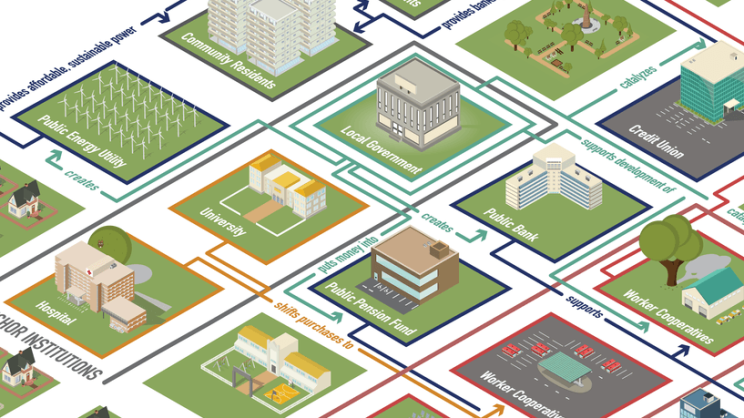
Third, policymakers should place greater emphasis on the foundational economy: care, housing, food, energy and local transport. These sectors sustain everyday life and play a critical role in determining how well communities withstand economic shocks.
Delivering this agenda will require a more serious conversation with the UK Government about the powers and resources Cymru needs to invest for the long term. Greater fiscal flexibility would enable strategic investment in energy, housing, skills and local economic development.
Furthermore, Cymru should continue to champion peace, diplomacy and international justice, while urging the UK Government to do the same. In a world where conflict drives rising prices, insecurity and inequality far beyond the war regions, peace is not only a moral imperative but also a foundation for sustainable and inclusive prosperity.
A wake-up call for Cymru
The war in Iran is a reminder that the costs of conflict do not stop at war regions. They are paid through rising prices, deepening poverty, widening inequality, strained public services and growing tensions within communities. What begins as a geopolitical conflict abroad can quickly become a social and economic crisis at home.
Cymru can continue absorbing one global shock after another, or use this moment to build a more resilient future through a just transition, stronger local supply chains and a green and caring wellbeing economy.
The real choice is not between growth and resilience, but between an economy that leaves people vulnerable and one that helps them thrive.
[1] Oxfam uses “SWANA” (Southwest Asia and North Africa) rather than “MENA” to reflect its commitment to localisation and decolonisation, recognising the colonial origins of the term “Middle East”.