This was supposed to be the year living standards finally picked up for people on lower incomes in Wales. Instead, the war in Iran and the closure of the Strait of Hormuz have taken Brent crude from around $70 a barrel in late February to a peak above $115 in April, with wholesale gas prices doubling from their pre-war level.
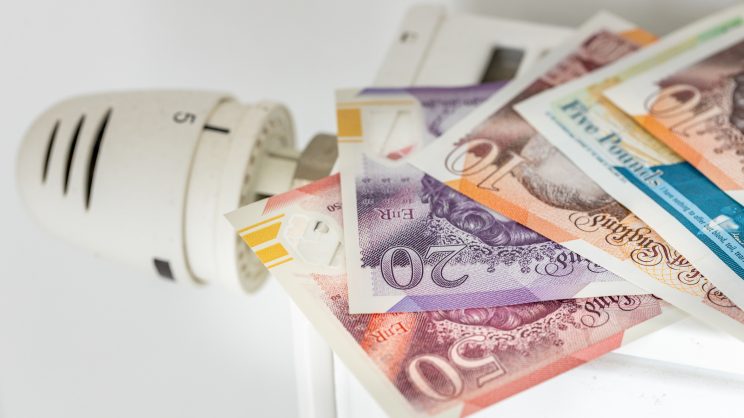
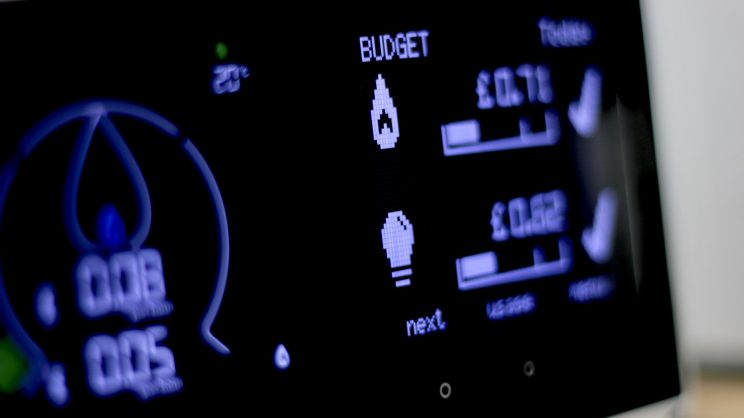
Bills are following, as they always do: petrol prices across the UK have risen 25 per cent in the last six months, and the energy price cap went up 13 per cent in July, while Ofgem has confirmed another 4 per cent rise from October. Further serious jumps are expected in the new year. Inflation reached 2.9 per cent in July and will likely rise above 3 per cent in the coming months, which increases pressure on policy makers to act.
This is landing just after the highest period of inflation in decades. Prices across the UK are already a quarter higher than before Russia invaded Ukraine, with food up by nearly 40 per cent and energy by more than 60 per cent, while wages have risen by only 29 per cent over the same period. As poorer families spend so much more of their budgets on those essentials, inflation for the poorest has run 0.7 percentage points above the richest between 2019 and 2025.
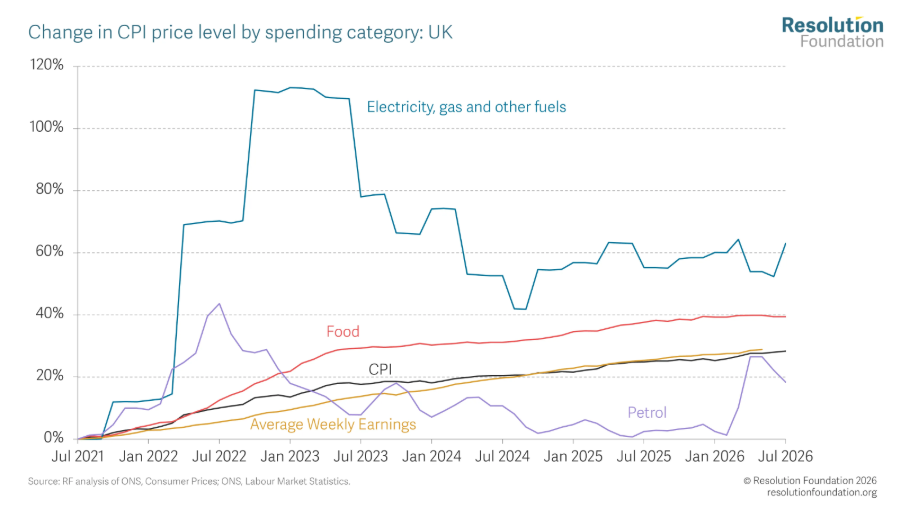
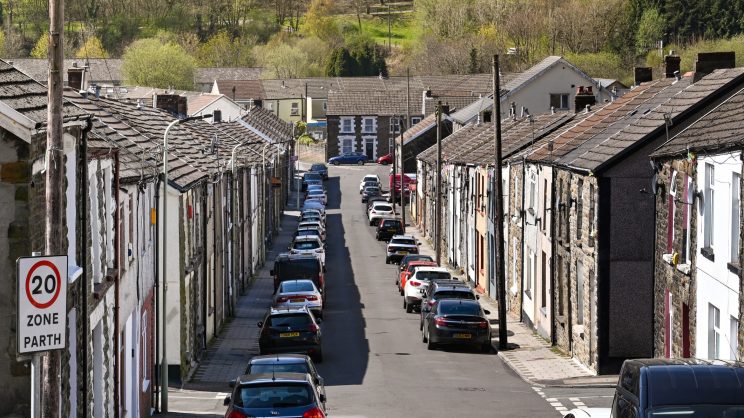
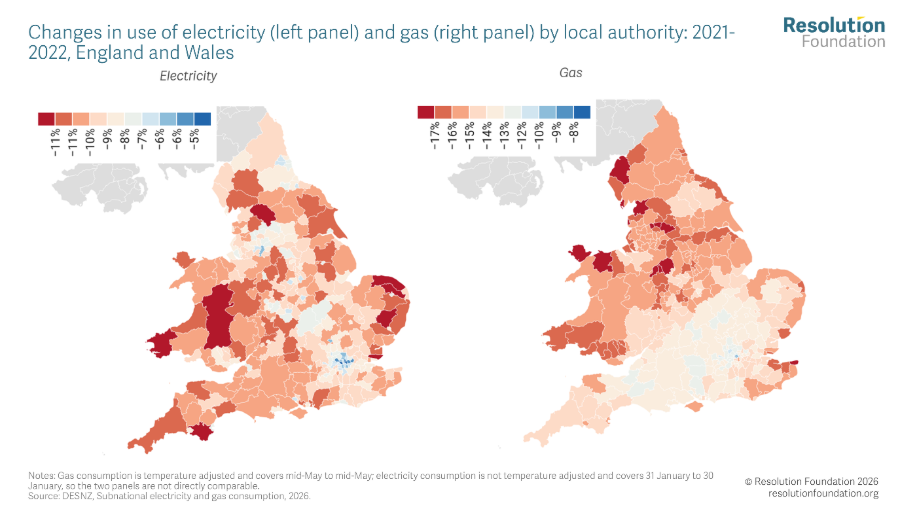
The last energy crisis also hit Wales particularly hard. The chart below shows reductions in median household gas and electricity consumption by local authority between 2021 and 2022, as people responded to higher prices by restricting their energy use. Households in Wales cut their electricity use by 10 per cent and gas use by 16 per cent, a larger decline in energy consumption than any region in England. London, in contrast, saw declines of only 7 per cent and 13 per cent for electricity and gas respectively. Our analysis also found that income was the largest predictor of reductions in gas use: an area at the 10th percentile of income cut gas 1.8 percentage points more than one at the 90th. If these patterns repeat in response to another price surge, Welsh households will cut back the most, meaning colder and darker homes this winter, particularly for the poorest.
The Iran war is also adding to pressure on the UK Budget. Defence spending is set to rise significantly over the coming decade, while higher gilt yields are making government borrowing more expensive. That makes it all the more important that any response to rising energy bills is affordable and well targeted.
The Welsh Government has levers of its own to support households with the wider cost of living. Its relatively generous Council Tax Reduction Scheme means a family receiving maximum support pays nothing, compared with an average of £248 in England. Action on bus fares can also disproportionately benefit people on lower incomes, although the quantity and quality of public transport matter too. But these devolved measures cannot substitute for a UK-wide response to a global energy shock. The central challenge is therefore to design support that can reach Welsh households who need it without repeating the cost of universal support.
Four years on from the last shock, the UK Government still lacks a mechanism for getting targeted cash support to UK households except through the benefits system. That was a big problem in 2022, when UK Government ministers spent £44 billion on universal support and the richer half of the population received more than half of it. Directing support to people already on means-tested benefits, as the Warm Home Discount does in Wales and England is far cheaper. But it reaches only a quarter of households, and most of the poorest half would still get nothing.
A better approach would be to discount gas and electricity unit rates, paid automatically to benefit recipients and extended to households where the highest individual income is under £24,000. That would cover around 40 per cent of households in Great Britain and three-quarters of those in the poorest four deciles, and £2 billion would buy £175 a household, or £220 for the poorest if tiered. Ideally, the discount would be applied automatically, using the tax records HMRC already holds. That system will take longer to build than this winter allows, so for now households would have to say they qualify and be checked afterwards. Either way, it needs to be designed now, ahead of the Q1 2027 cap.
Global energy shocks are not going away, and neither is the pressure on household budgets. The Welsh Government can use its own powers to ease some of that pressure, but it cannot build this scheme itself. It should press the UK Government to put the necessary mechanism in place before the next shock, while working with Westminster to ensure that targeted support can reach Welsh households quickly and efficiently when prices rise.