‘Involve those who are affected by your policy decisions in the design and delivery of them.’ The community researchers who co-produced our Voices of Swansea: Challenging Poverty Stigma Together project have issued a direct plea to decision makers.
As part of this project to find local solutions to tackling poverty stigma and which will inform Swansea Council’s Tackling Poverty strategy, we collaborated with a group of Swansea-based community researchers who led workshops with professionals and interviews with individuals with lived experience of poverty and they were struck by the long-lasting effects of poverty stigma even from childhood.
Among the key findings, the community research found that:
- Early experiences of poverty stigma can shape how individuals perceive themselves throughout their lives, despite parents striving to shield their children from their family situation.
- Traditional and social media can reinforce poverty stigma, by creating pressure for families to display a lifestyle they can’t afford, especially around special occasions such as Christmas.
Hear directly from our community researchers, and their hopes for the research:
Karen Berrell
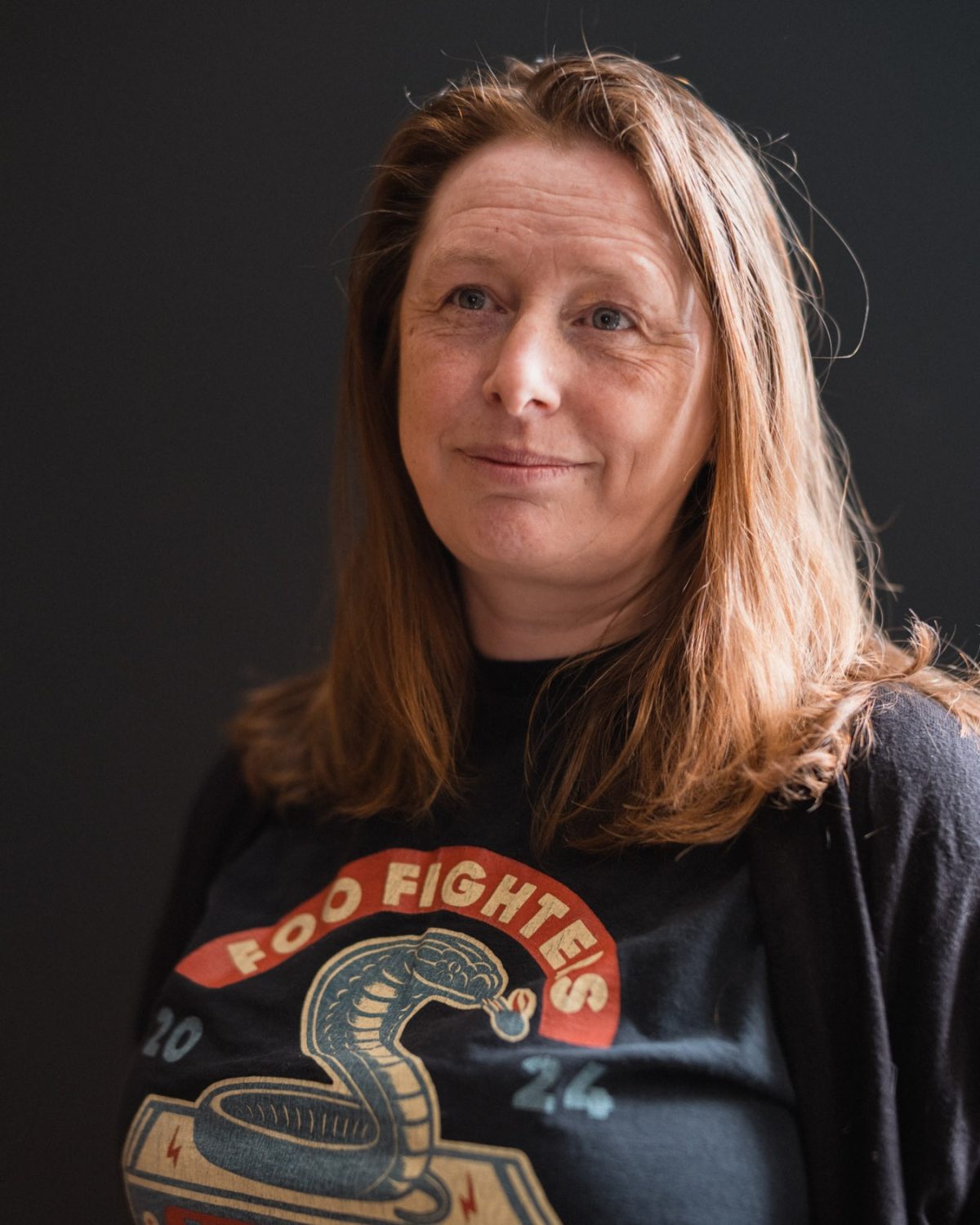
“I felt privileged and honoured that people wanted to share their lives with us. It’s really, really rich data. People have sat down and talked about really personal, emotional things and are happy for that to be moved forward. For me it’s very personal, it’s grounded, in the communities and fabric of Swansea.
“From the conversations people were having, you can hear the pipeline. You can hear people talk about their experience from when they were a child and the journey they’ve been on. The different levels of adversity they had faced and you can see how that started when they were a child.”
Melvyn Williams
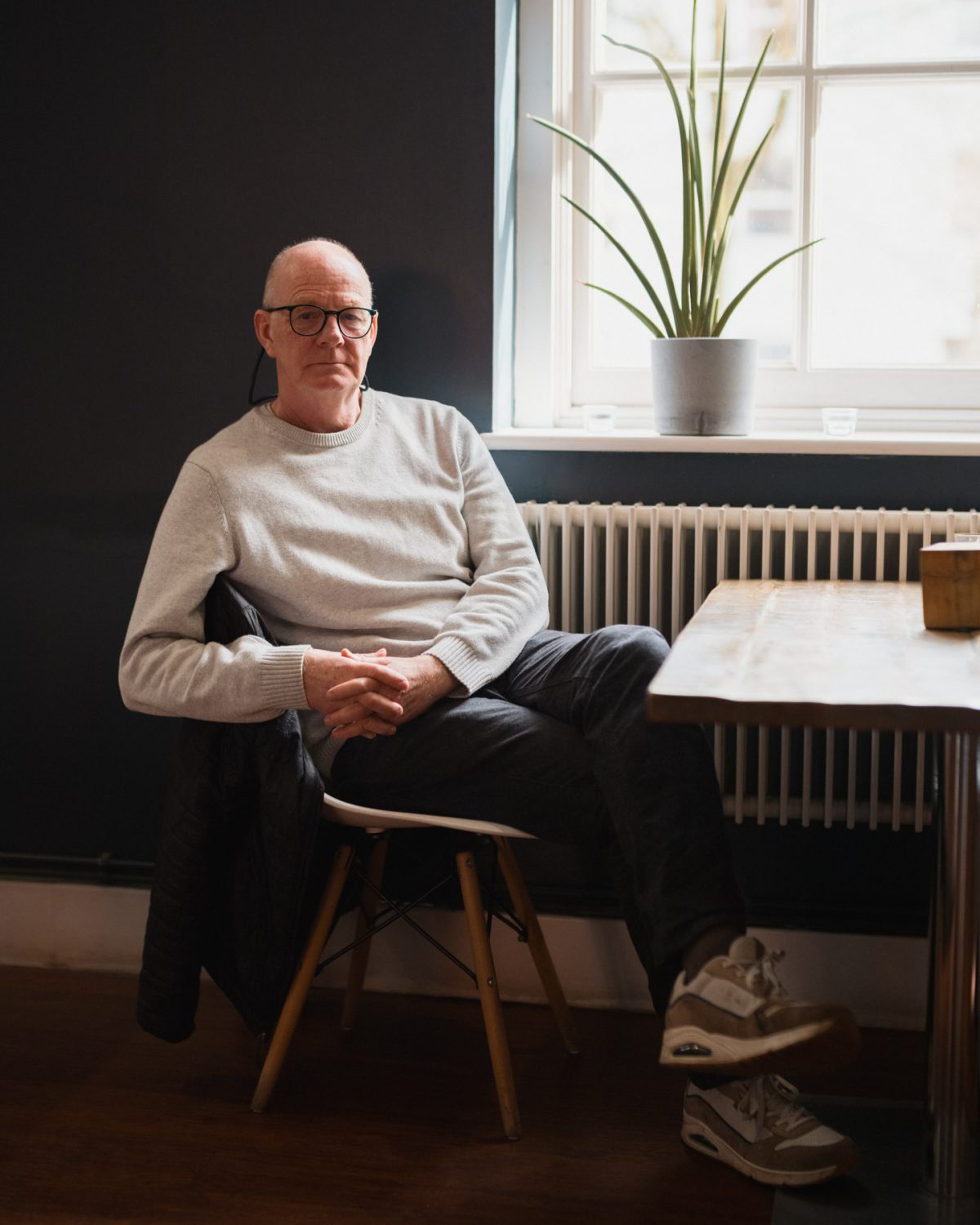
“People who are living in poverty have exactly the same attitude towards people living in poverty as everyone else in wider society.
“There was one guy who talked about everything he’d done as a choice. He’d been in the armed forces and afterwards he’d been homeless – street homeless – which he described as a choice at that time. That level of denial, and taking personal responsibility for those circumstances, when it wasn’t his fault, is quite shocking.
“There were people working in food banks, talking about other people coming to food banks in a judgmental way – ‘they’re not poor enough to come here’. Noone’s going to a food bank if they don’t need to – there is a stigma attached. That was quite depressing – the level of internalised stigma and then the projection of that stigma. People living in poverty aren’t immune to that or to reproducing stigma.
“There are also positive examples. Where we did the research was a good community. People and communities can pull together, share experiences and share resources. When people are all in same boat there is less stigma, people can share lived experiences and resources. Where you’ve got massive inequality, you tend to get more stigma.
“The most important takeaway from this work for Swansea Council, and other people providing services, is just to believe people when they walk through the door, because it’s hard enough in itself, to actually go to services to seek help. Hard as a choice and hard just to find these services if you have no idea where to begin.
“There’s a huge journey before you walk into the door, so for them to not be believed just invalidates all of that and makes things even more difficult.”
Dr Tarh Martha Ako Mfortem:
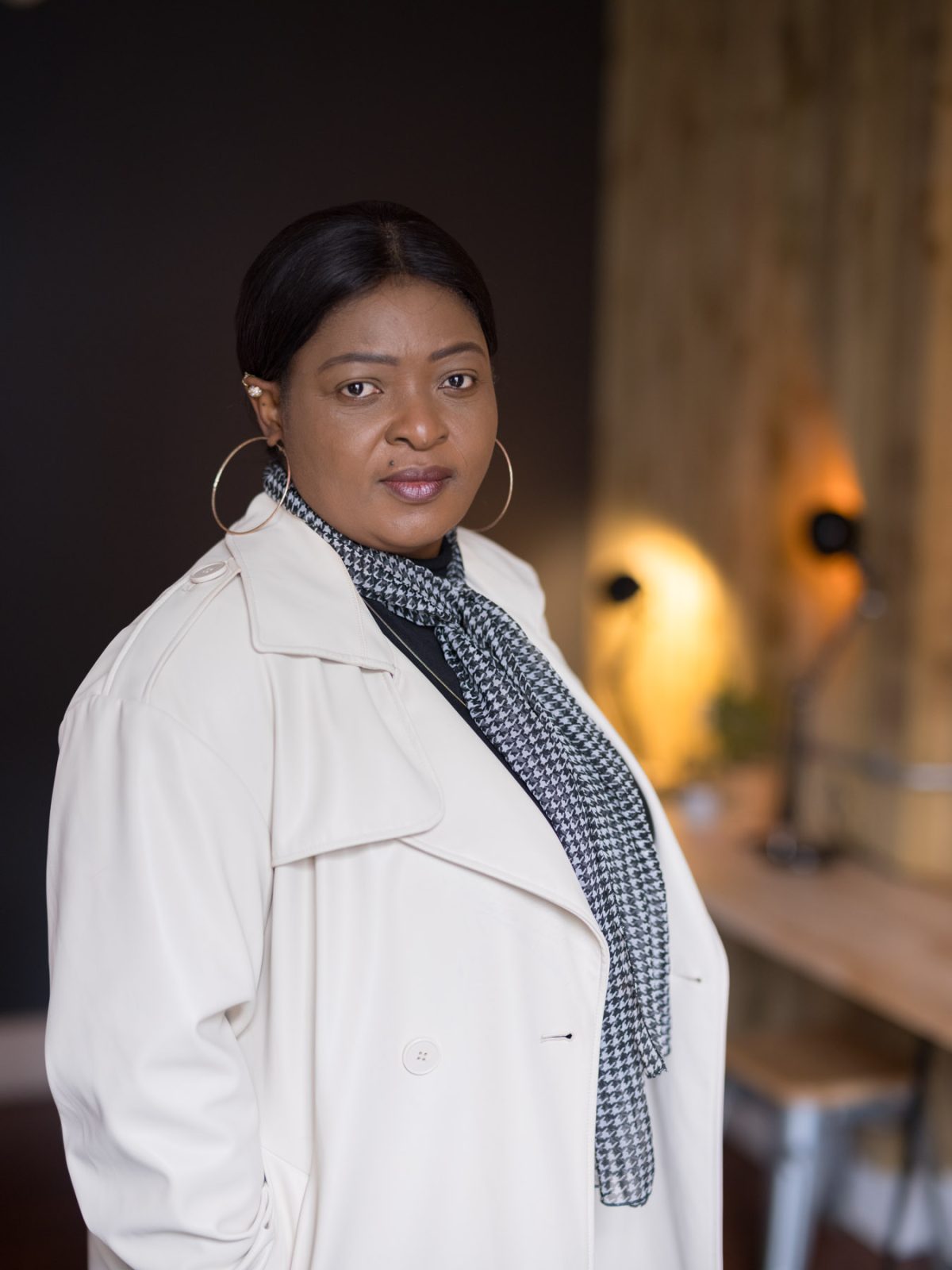
“Our findings point to failing policies, not people. It is imperative to involve everyone in shaping policies that seek to address their needs. We now know that early help and intervention can prevent stigma and its long-term effects.
“Hearing people in the community telling you exactly how they’ve felt, what they’ve been through from childhood is tough to hear.
“Listening to the people telling their stories themselves, this is their voice, this is their experience. This is the voice of the people. The people who suffer from poverty stigma.
“Why do we put barriers between us? Why must I struggle with someone who is supposed to provide services to me? You are there for the client and you make things very difficult for me to access you.
“I am very happy we were able to point this out to the community; we are telling you that this is what they’re going through. The time to act is now”
Michelle Hopkins
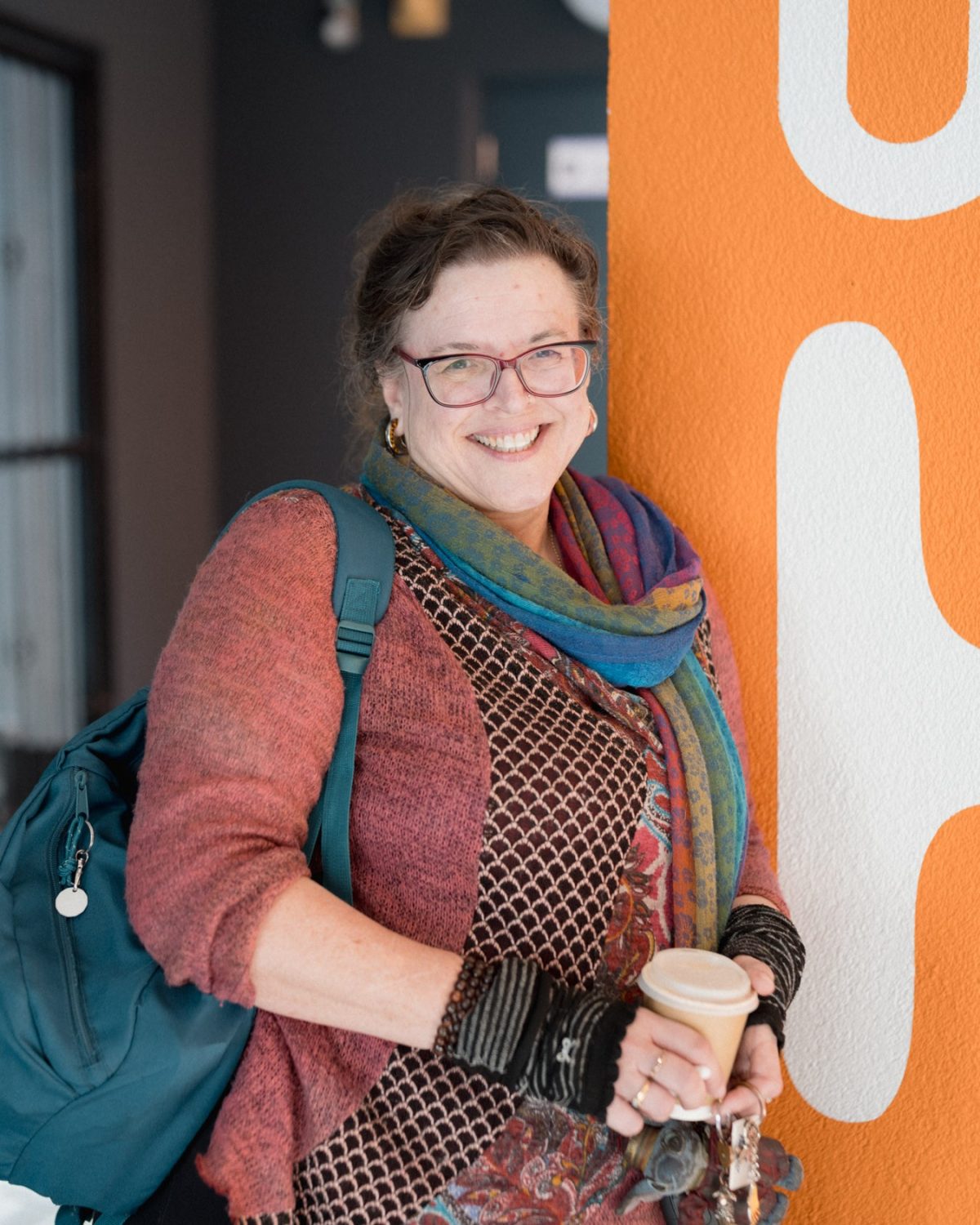
“I am hopeful, very, very hopeful, that they (the council) actually enact on what they’ve had back.
“It’s making sure people see what is available and how they can be helped.
“It isn’t going to change why poverty is here, but it can change… you don’t have to suffer, being poor.
“That inwards stigma is something else again, how do you change how people think about themselves? There’s an awful lot of people who don’t realise they live in poverty.”
The community report acknowledges best practice across Swansea when it comes to inclusive and stigma-free approaches. Townhill’s Phoenix Centre is highlighted for its inclusive, no wrong door approach, and for including the community in decision-making, such as the decision to host a community shop instead of a food bank, which was viewed as stigmatising.
Michelle Hopkins added: “The Phoenix Centre, I cannot praise them enough… they can help you with where to go, who to see. They have different things for different people, there’s something for everyone, whether you’re from the hill or not.”
The community researchers were interviewed by Liz Clutton